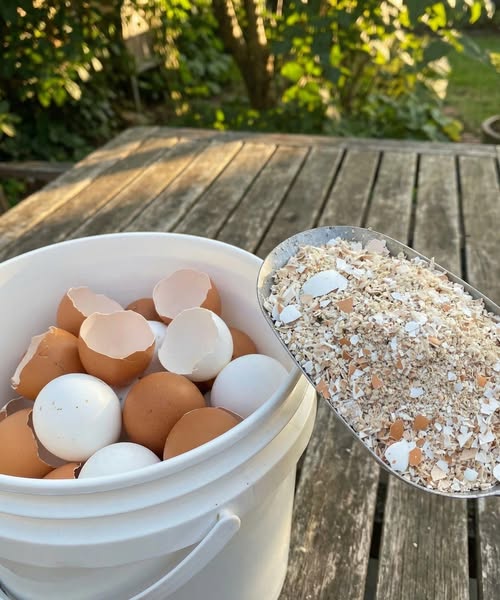
In the modern quest for a low-waste lifestyle, the answers are often found at the bottom of the trash bin. Eggshells, typically dismissed as mere kitchen waste, are emerging as a versatile and potent resource for both the home and garden. Naturally rich in calcium and possessing a uniquely sturdy texture, these biological remnants offer a range of practical benefits that require neither expensive products nor specialized equipment to unlock.
By adopting a simple habit of preparation, homeowners can divert these shells from the landfill and transform them into a helpful tool for everyday tasks.
Sanitization: The Essential First Step
Before an eggshell can be integrated into your home routine, proper preparation is paramount to ensure safety and hygiene. The process begins by rinsing the shells to remove any residual egg white. To fully sanitize them, experts recommend placing the shells in a pot of water and bringing it to a gentle boil for ten to fifteen minutes.
Once boiled, the water should be drained, and the shells must be allowed to air-dry completely on a clean towel or baking sheet. After they have reached a brittle, dry state, they can be stored in a sealed container. This critical preparation phase ensures the shells are clean and ready for crushing, grinding, or any other household application.
Multi-Purpose Utility in the Garden and Kitchen
The most well-known application for prepared eggshells is found in the garden. When crushed and mixed into compost or sprinkled directly into the earth, they serve as a slow-release source of natural minerals, contributing to soil health over time.
Gardeners have also found success using coarsely broken shells as a tactical physical barrier. When placed around the base of delicate plants, the sharp edges act as a deterrent to slow down crawling pests. Furthermore, eggshells can function as biodegradable seed-starting pods. Filling a half-shell with soil creates the perfect environment for herb or flower seeds; once the seedlings have matured, the entire unit can be planted directly into the ground, where the shell will naturally decompose.
The utility extends into the kitchen as well. When finely crushed and combined with soapy water, eggshells act as a gentle, biodegradable scouring agent. This natural abrasive is an excellent alternative to synthetic cleaning products for scrubbing stubborn residue from cookware or sinks.
Limitations and Best Practices
While the versatility of eggshells is significant, it is important to approach their use with a sense of practicality rather than as a “cure-all.” Repurposed shells are best suited for household and gardening tasks and should not be viewed as a replacement for professional medical supplements or health treatments. Additionally, users should exercise caution on highly delicate surfaces where an abrasive scrub might cause damage.
When utilized thoughtfully, the transition of eggshells from the waste stream to the resource pile serves as a testament to the hidden value found in everyday items. With minimal effort and a bit of creativity, what was once destined for the trash can become a valuable contributor to a more sustainable and efficient home.