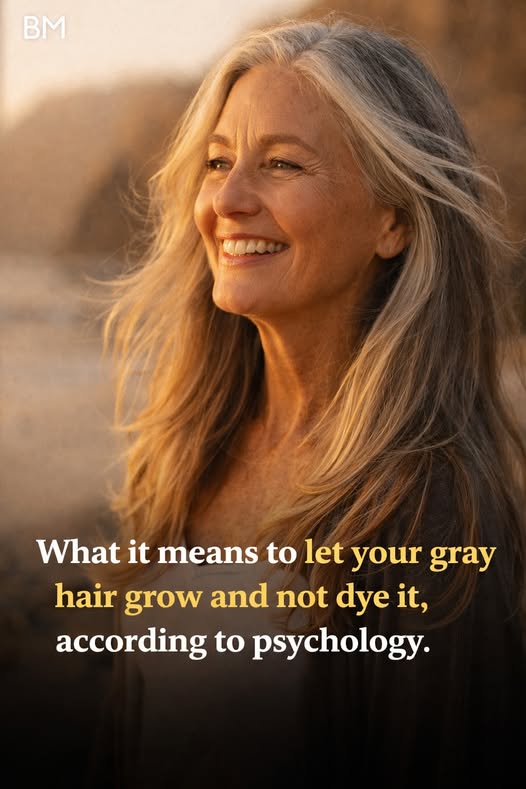
For decades, gray hair was something many people tried to hide. Hair dye, salon visits, and constant touch-ups became part of a routine aimed at maintaining a youthful appearance.
But today, things are changing.
The gray hair going natural trend is growing rapidly, with more people choosing to embrace their natural color instead of covering it. What was once seen as a sign of aging is now being redefined as a symbol of confidence, authenticity, and self-acceptance.
Why Gray Hair Happens Naturally
Gray hair is a natural part of aging. Over time, hair follicles lose pigmentation, causing strands to turn gray or white.
While it’s often associated with getting older, gray hair can appear at different ages depending on genetics, lifestyle, and health factors.
Instead of seeing it as something to hide, many are now choosing to accept it as part of their natural identity.
Why More People Are Choosing to Go Gray
The rise of this trend isn’t random. There are several reasons why people are moving away from hair dye and embracing their natural gray.
1. A Shift Toward Authentic Beauty
More people are redefining beauty standards. Instead of chasing youth, they are embracing natural features.
Gray hair is increasingly seen as a reflection of experience, maturity, and individuality.
2. Less Maintenance and Lower Costs
Keeping hair dyed requires frequent salon visits or at-home treatments.
Many people spend hundreds—or even thousands—each year maintaining their color.
By going natural, they eliminate the need for constant upkeep.
3. Healthier Hair and Lifestyle
Hair dyes often contain chemicals that can damage hair over time.
Some people report that once they stop dyeing their hair, it feels stronger, healthier, and easier to manage.
This shift often becomes part of a broader move toward a more natural and healthy lifestyle.
4. A Cultural and Social Shift
In recent years, especially after the pandemic, more people began letting their natural hair grow out.
Celebrities and influencers have also helped normalize gray hair, showing that it can be stylish and modern.
New trends like “quiet silver” focus on blending and embracing gray instead of hiding it.
5. A Symbol of Confidence and Self-Acceptance
For many, choosing to go gray is not just about appearance—it’s about mindset.
It represents:
-
Letting go of societal pressure
-
Accepting natural aging
-
Feeling comfortable in your own skin
Many people describe it as a liberating experience that boosts confidence.
The Psychological Impact of Embracing Gray Hair
Letting gray hair grow naturally can have a deeper emotional effect.
It can:
-
Increase self-confidence
-
Reduce stress related to appearance
-
Encourage a more positive self-image
Some even describe it as a turning point toward greater personal freedom and authenticity.
How People Transition to Natural Gray Hair
Going gray doesn’t always happen overnight. Many people choose different methods to transition gradually:
-
Letting roots grow out naturally
-
Cutting hair shorter to speed up the process
-
Blending gray with highlights or lowlights
-
Stopping dyeing completely (“cold turkey”)
The process is personal and varies from person to person.
Why Gray Hair Is No Longer Seen as “Aging”
One of the biggest changes in recent years is perception.
Gray hair is no longer viewed strictly as a sign of getting older.
Instead, it’s becoming:
-
A fashion statement
-
A sign of individuality
-
A natural and elegant look
This shift is helping remove the stigma that once surrounded gray hair.
What This Trend Teaches Us
The gray hair going natural trend reflects something bigger than just hair.
It shows a cultural movement toward:
-
Authenticity over perfection
-
Simplicity over maintenance
-
Confidence over conformity
People are no longer trying to hide every sign of aging—they’re embracing it.
Final Thoughts
Letting gray hair go natural is more than a trend.
It’s a mindset shift.
A decision to accept yourself as you are, without constant correction or concealment.
And for many, it’s one of the most freeing choices they’ve ever made.
Because sometimes…
The most powerful change isn’t covering something up.
It’s choosing to show it.