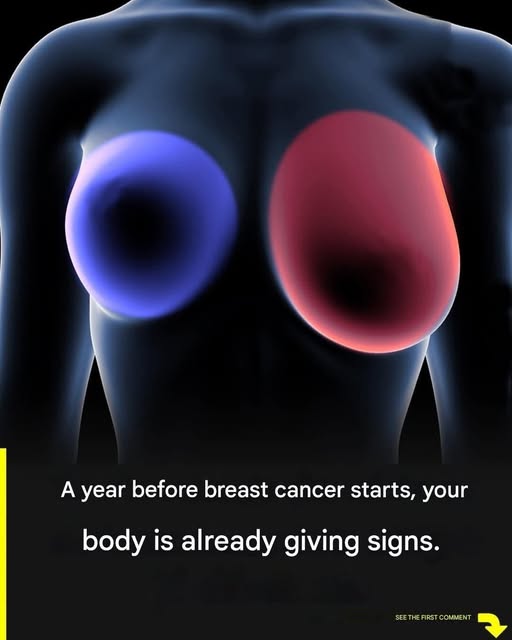
In the complex landscape of women’s health, awareness is often the most potent tool at our disposal. While many are conditioned to look for obvious signs of change within the breast tissue itself, medical experts emphasize that a comprehensive understanding of breast health requires a wider lens. It is not merely about identifying what is there, but recognizing when the body’s subtle “alarm systems” begin to signal a shift.
1. The Axillary Connection: Why the Armpit Matters
One of the most frequently overlooked indicators of breast health is located outside the breast itself: the axillary lymph nodes. A lump or persistent swelling in the armpit can often be dismissed as a minor reaction to a recent illness or even a result of shaving irritation. However, in a clinical context, these nodes act as the body’s sentinels.
While swollen lymph nodes are common during simple infections, a lump that persists without a clear cause deserves rigorous investigation. These nodes are part of the lymphatic system, which filters fluid from the breast tissue. A persistent abnormality here may indicate the presence of abnormal cells that have moved beyond the primary site. Because only clinical evaluation and professional imaging—such as an ultrasound or mammogram—can provide a definitive diagnosis, “watchful waiting” is rarely the recommended course of action for an unexplained axillary mass.
2. The Power of “Body Literacy”: The Monthly Self-Exam
The foundation of proactive health is familiarity. Doctors consistently advocate for the breast self-exam (BSE) as a vital monthly habit. The goal of this practice is not for the individual to act as a diagnostician, but to develop a baseline of “body literacy.”
-
-
Timing is Key: Experts recommend performing this exam once a month, ideally three to five days after your menstruation ends. At this point in the hormonal cycle, the breasts are least likely to be swollen or tender due to normal monthly fluctuations.
-
What to Look For: You are looking for changes in texture, skin puckering, nipple discharge, or new lumps that feel different from the surrounding tissue.
-
The Benefit: By becoming intimately familiar with your own anatomy, you become the first line of defense in identifying a change that might otherwise go unnoticed until a clinical screening.
-
3. The Gold Standard: Mammography and Clinical Prevention
While self-exams are a critical tool for awareness, they cannot replace the precision of modern medical technology. Mammograms remain the gold standard for early detection, often identifying abnormalities long before they can be felt by a human hand.
Current medical guidelines generally recommend that women at average risk begin regular mammograms at age 40. Depending on your personal health history and your physician’s recommendation, these screenings should occur every one to two years.
| Age Range | Recommended Action | Frequency |
| 20s & 30s | Breast Self-Exams | Monthly |
| 40+ | Mammograms | Every 1–2 Years |
| All Ages | Clinical Breast Exam | During Annual Wellness Check |
The Final Word: Detection as a Lifeline
The narrative surrounding breast cancer has shifted significantly over the last several decades, largely due to the success of early detection initiatives. When changes are identified in their earliest stages, the chances of a successful cure increase exponentially, and the intensity of the necessary treatment is often significantly reduced.
Information, vigilance, and self-care are your most effective weapons. If you notice a change—no matter how small or seemingly insignificant—consult a healthcare professional immediately. Taking that first step is not an act of fear, but a decisive move toward a healthier, more secure future.